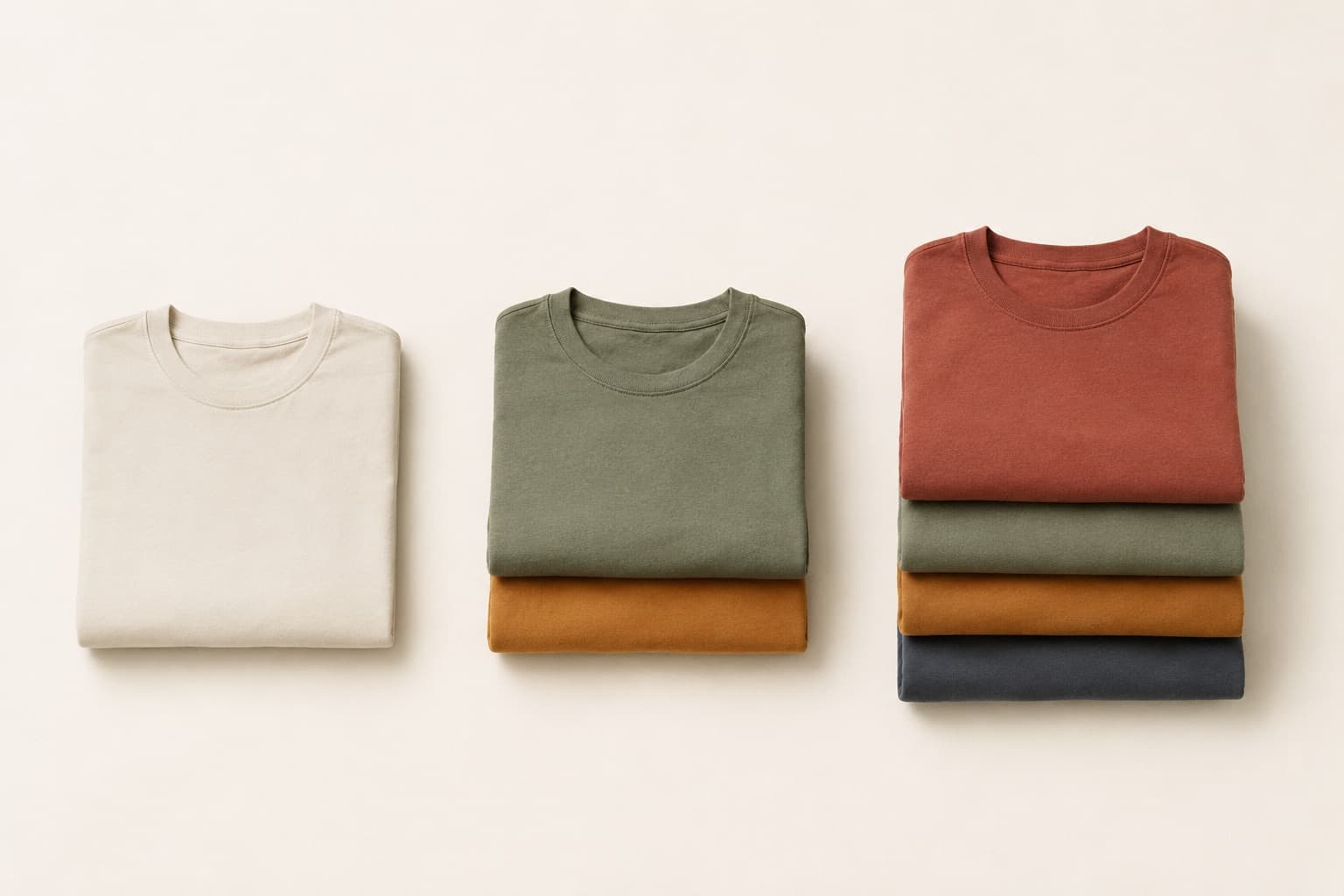
Layer planning · no weather data
How many
layers
is this
Not “what should I wear today”. The harder question is what happens during the day: how many times you take something off, and where it goes once you have. Describe the day. Get the layer count, the shed points, and a range for how much you end up carrying.
Your day, as a strip
5 segments · 1 shed points
Leaving, from 07:00 to 08:50, 4 layers: Base tee, Long-sleeve shirt, Merino knit, Wind shell. On the train, from 08:50 to 10:40, 1 layers: Base tee. Office, from 10:40 to 12:30, 3 layers: Base tee, Long-sleeve shirt, Merino knit. Lunch, from 12:30 to 15:30, 3 layers: Base tee, Long-sleeve shirt, Merino knit. Getting home, from 20:00 to 21:30, 4 layers: Base tee, Long-sleeve shirt, Merino knit, Wind shell.
Three steps
Describe it once. Stop re-deciding it at every door.
Say the day
One sentence. Where you go, and how each place actually feels to you. Not the forecast — the office that is always freezing.
See the layers
The day comes back split into segments, each with a layer count and the point where something comes off. Numbers on every block, not just colours.
Work out the load
Everything you shed has to go somewhere. You get a litre range for the biggest bundle of the day, checked against the bag you actually own.
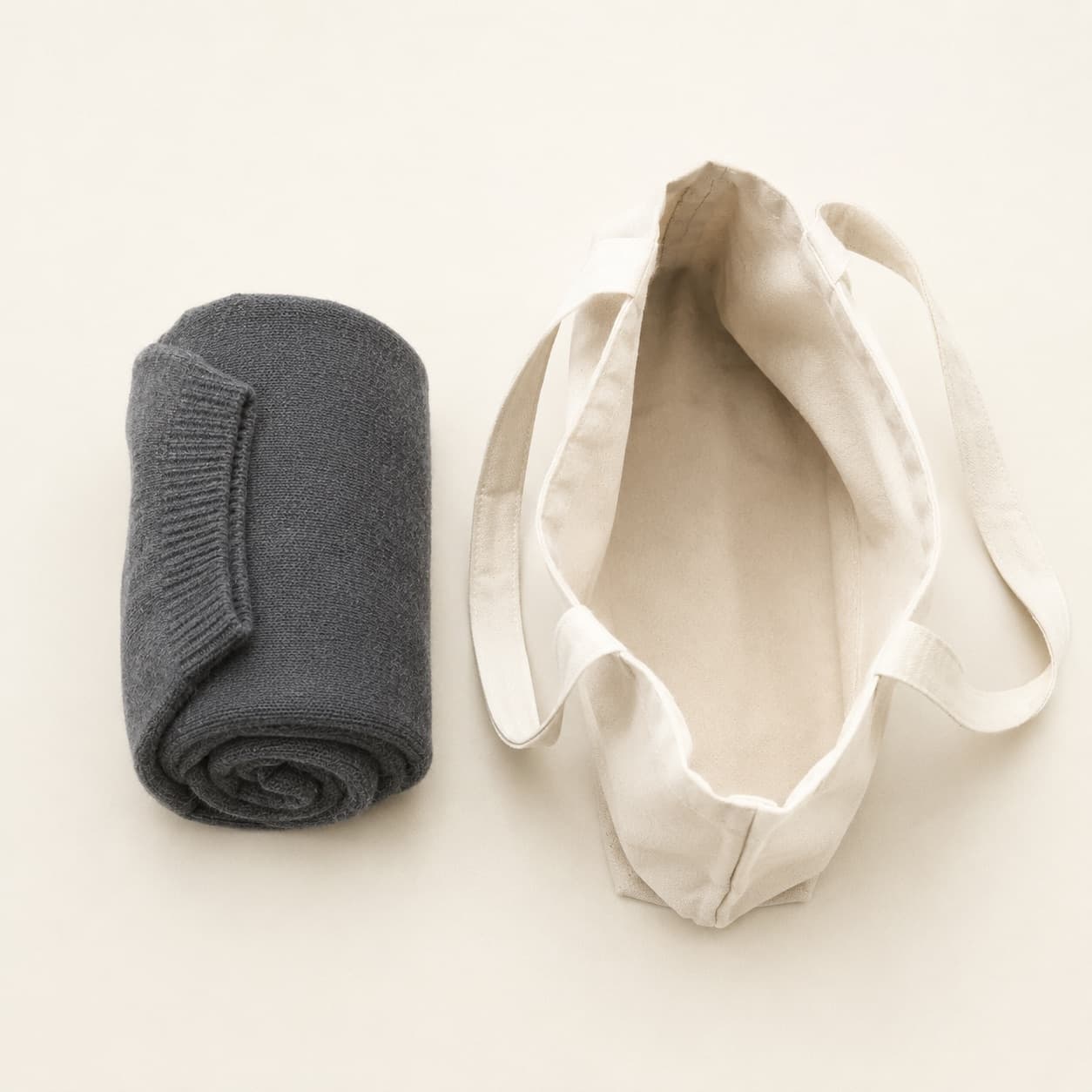
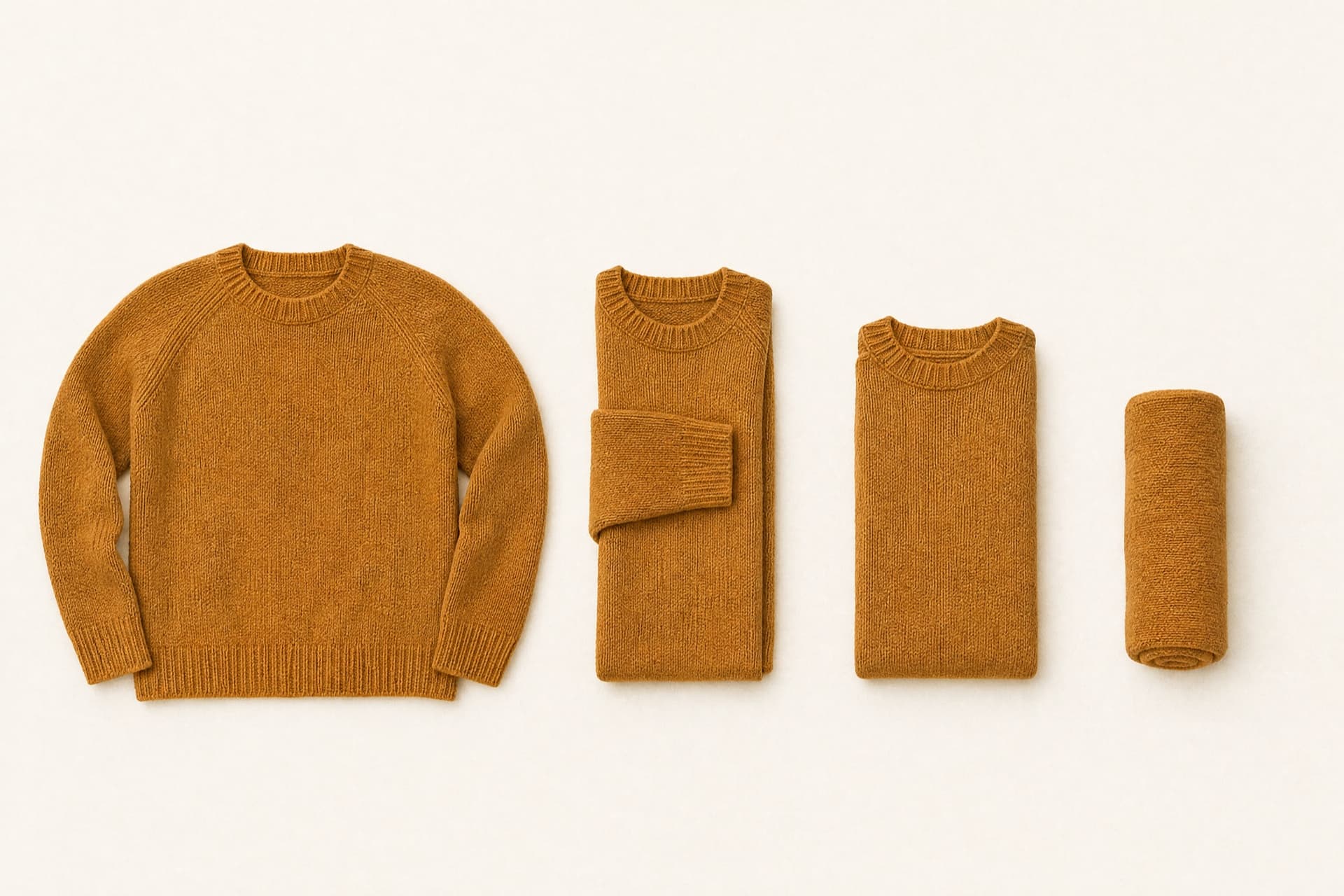
The ladder
Five rungs, and what each one costs you to carry
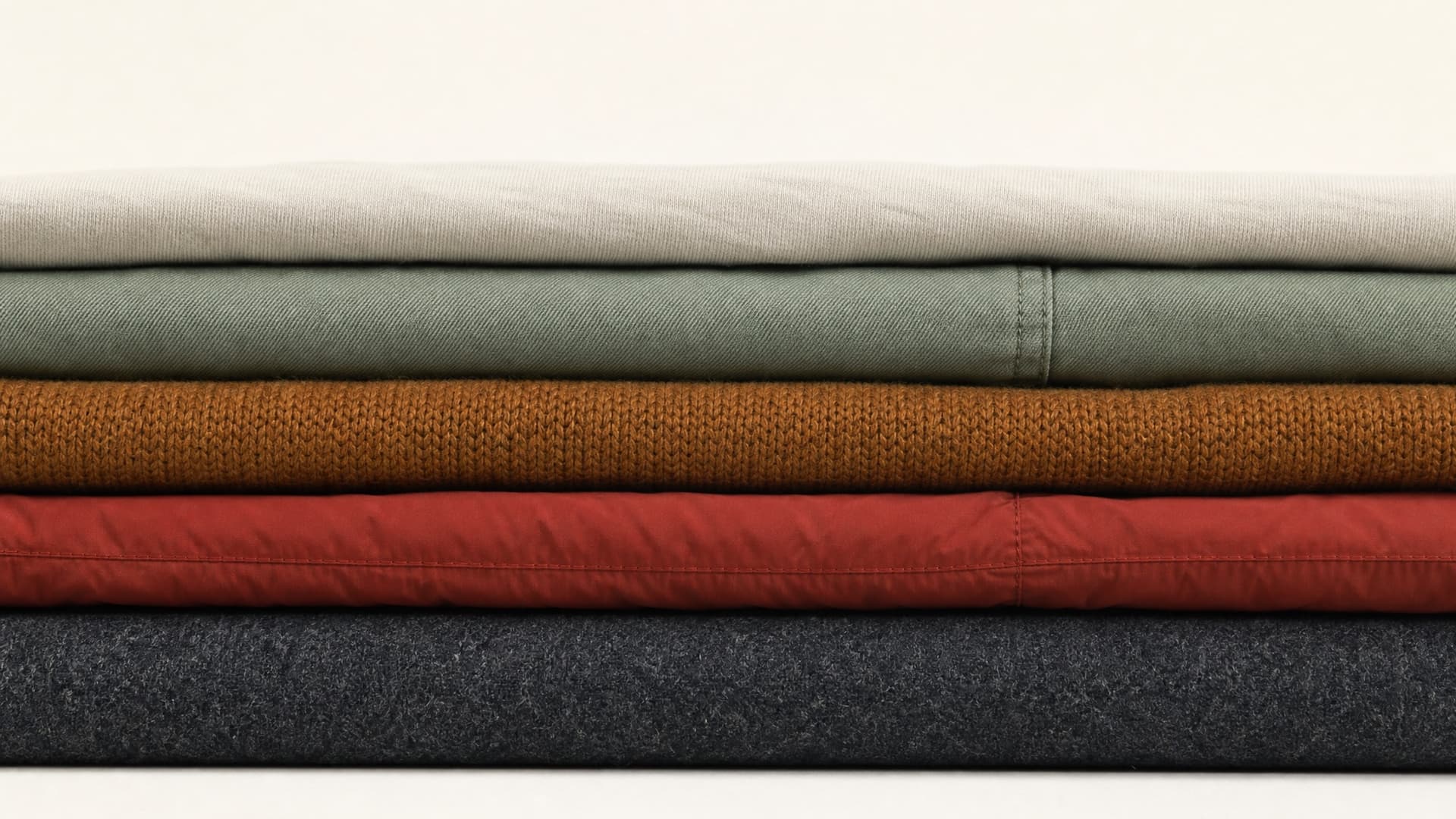
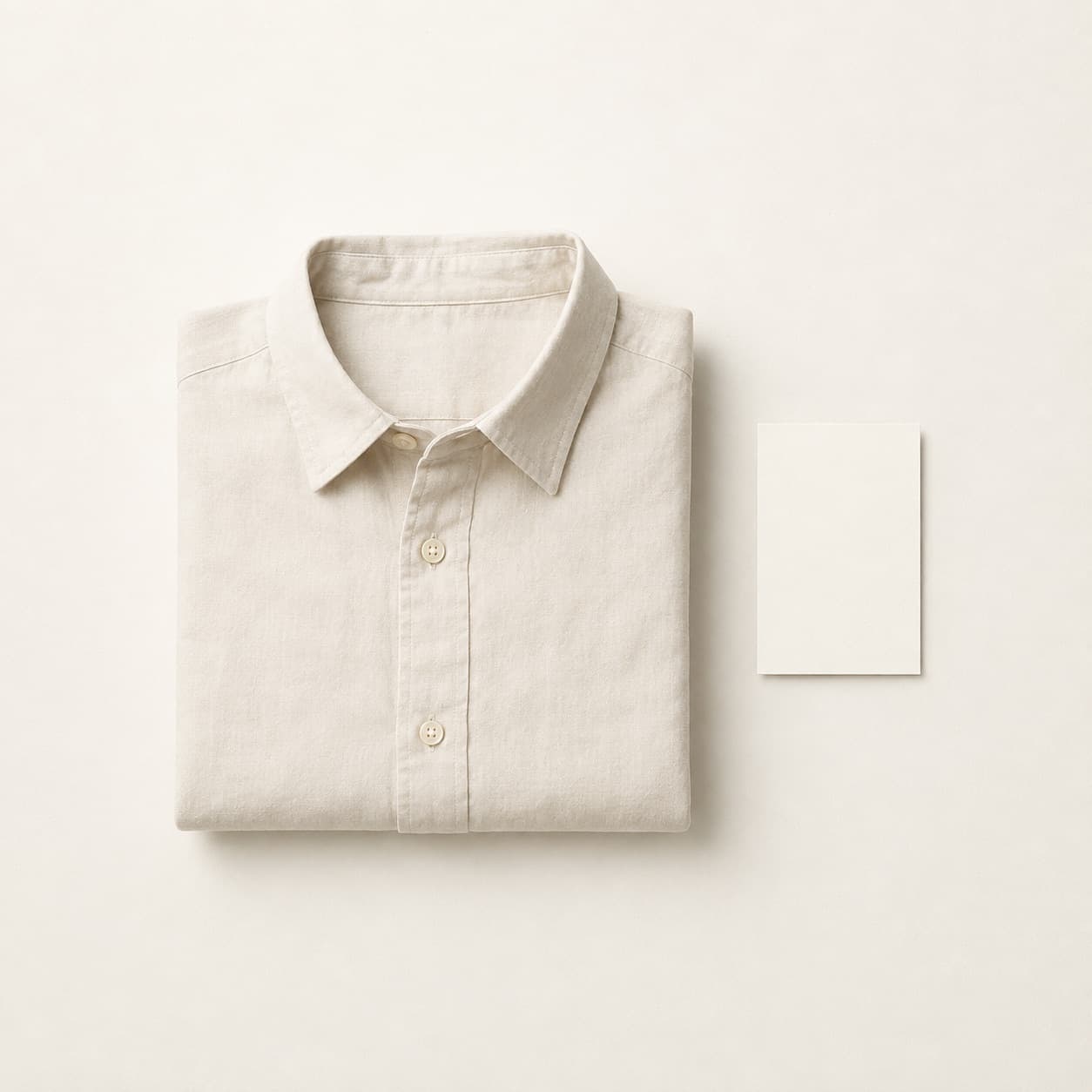
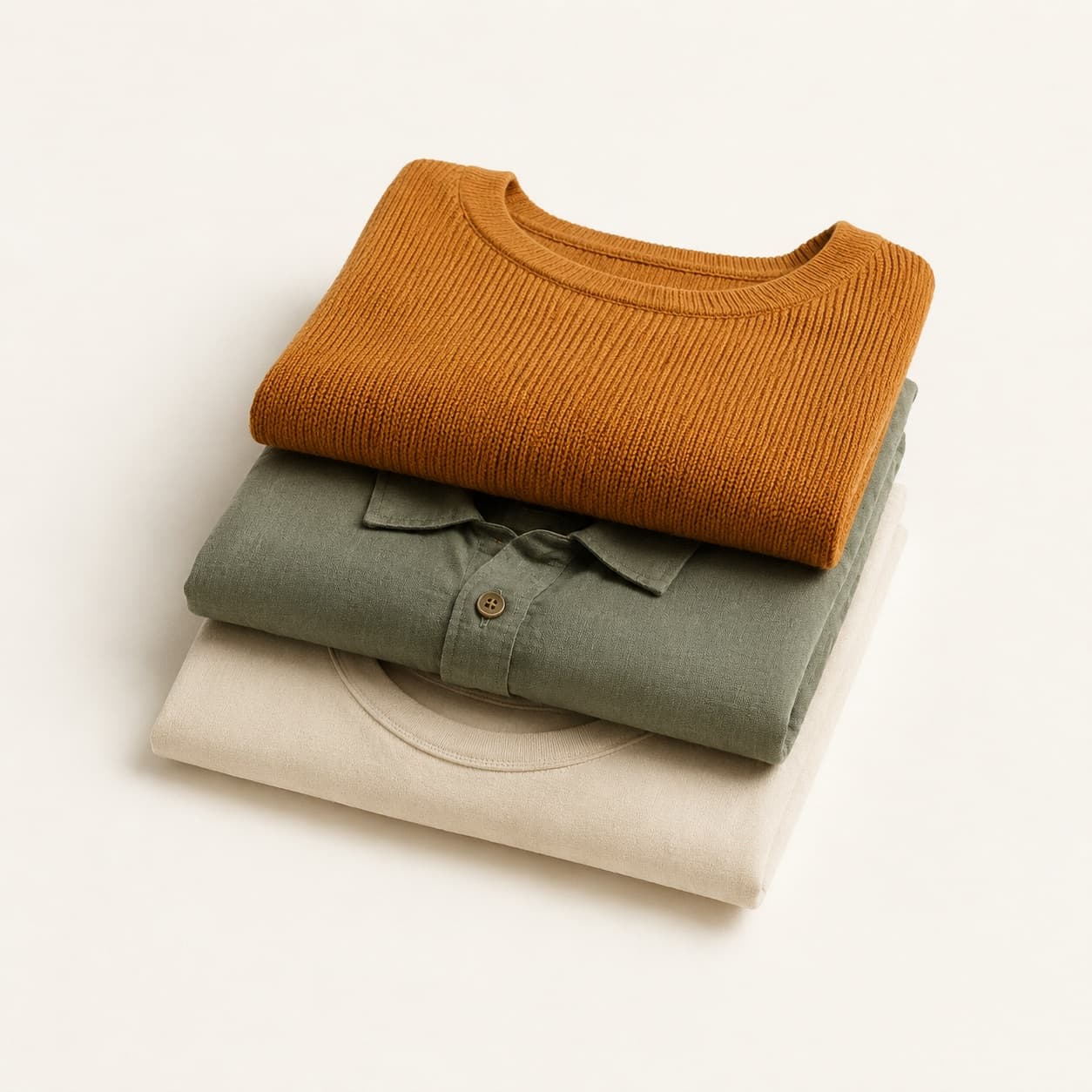
A layer plan is only useful if it accounts for the piece you are holding at 14:00. So every rung on the ladder carries a folded-bulk range as well as a name. The one that decides your bag is almost always the coat.
Ranges, not figures. Fabric and folding move these by a lot.
A worked day
“Leave at 7, cold. Train is hot. Office is freezing. Outdoor lunch. Home at 8, windy.”
Leaving, from 07:00 to 08:50, 4 layers: Base tee, Long-sleeve shirt, Merino knit, Wind shell. On the train, from 08:50 to 10:40, 1 layers: Base tee. Office, from 10:40 to 12:30, 3 layers: Base tee, Long-sleeve shirt, Merino knit. Lunch, from 12:30 to 15:30, 3 layers: Base tee, Long-sleeve shirt, Merino knit. Getting home, from 20:00 to 21:30, 4 layers: Base tee, Long-sleeve shirt, Merino knit, Wind shell.
What we can’t know
- The actual temperature. We do not read any weather service and we do not forecast.
- How warm you run. Two people in the same room need a different number of layers.
- How some of these places actually feel — you did not say, so we assumed the ordinary case.
- What is already in your bag before any of this goes in.
Attention, this is the hard part
Where does it go once it’s off?
Everyone can dress for the morning. The bit nobody plans for is the coat in your arms at lunch. Drag the bundle onto a bag and see whether it is likely, tight, or unlikely — three answers, and never a promise.
Prefer the keyboard? Focus the bundle and use the left and right arrow keys.
Around 12 L nominal, so a 3.2–5.8 L bundle usually goes in with room.
Soft sided, so bulky things sit oddly
Estimated against common nominal capacities. What actually fits depends on your bag.
What comes out
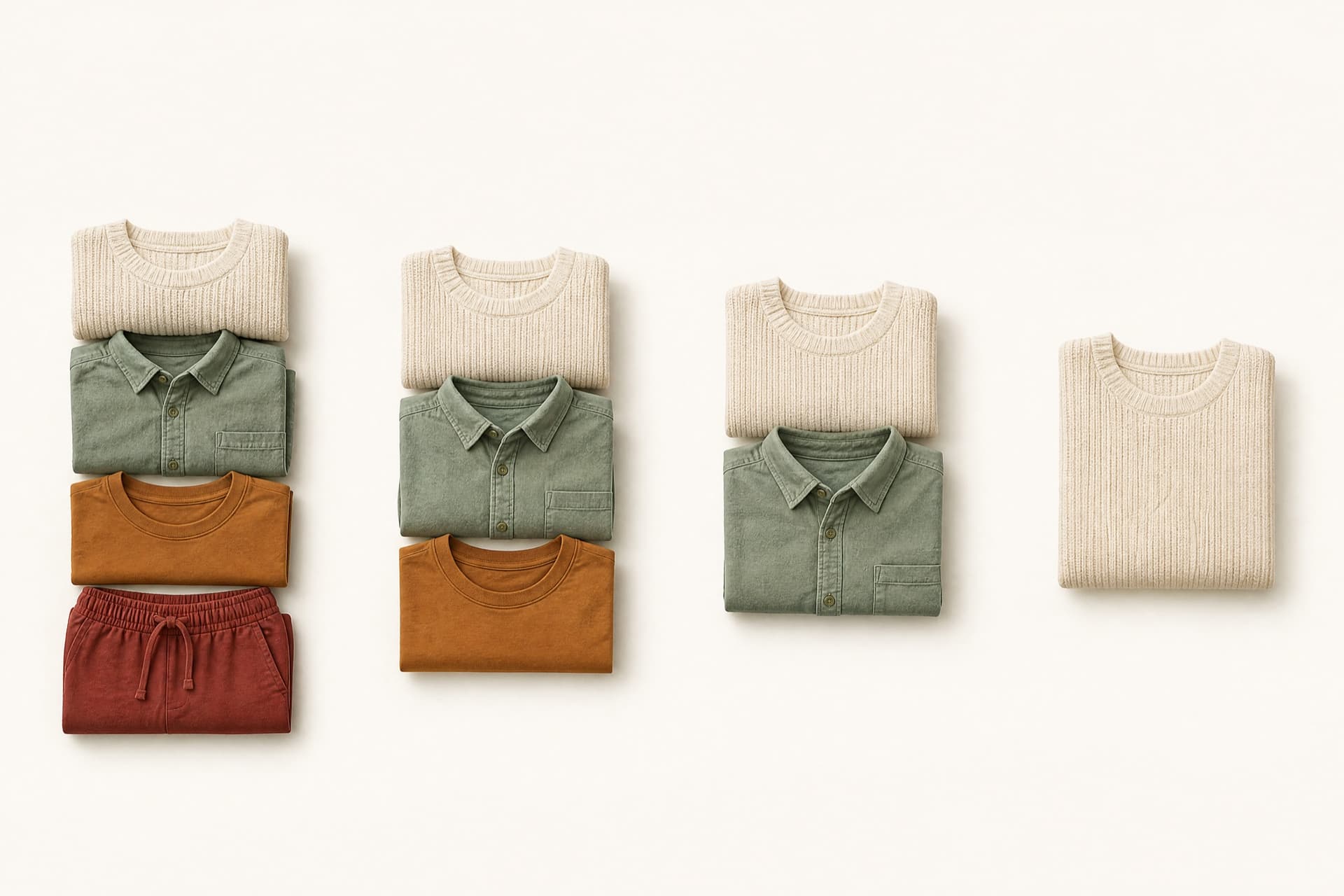
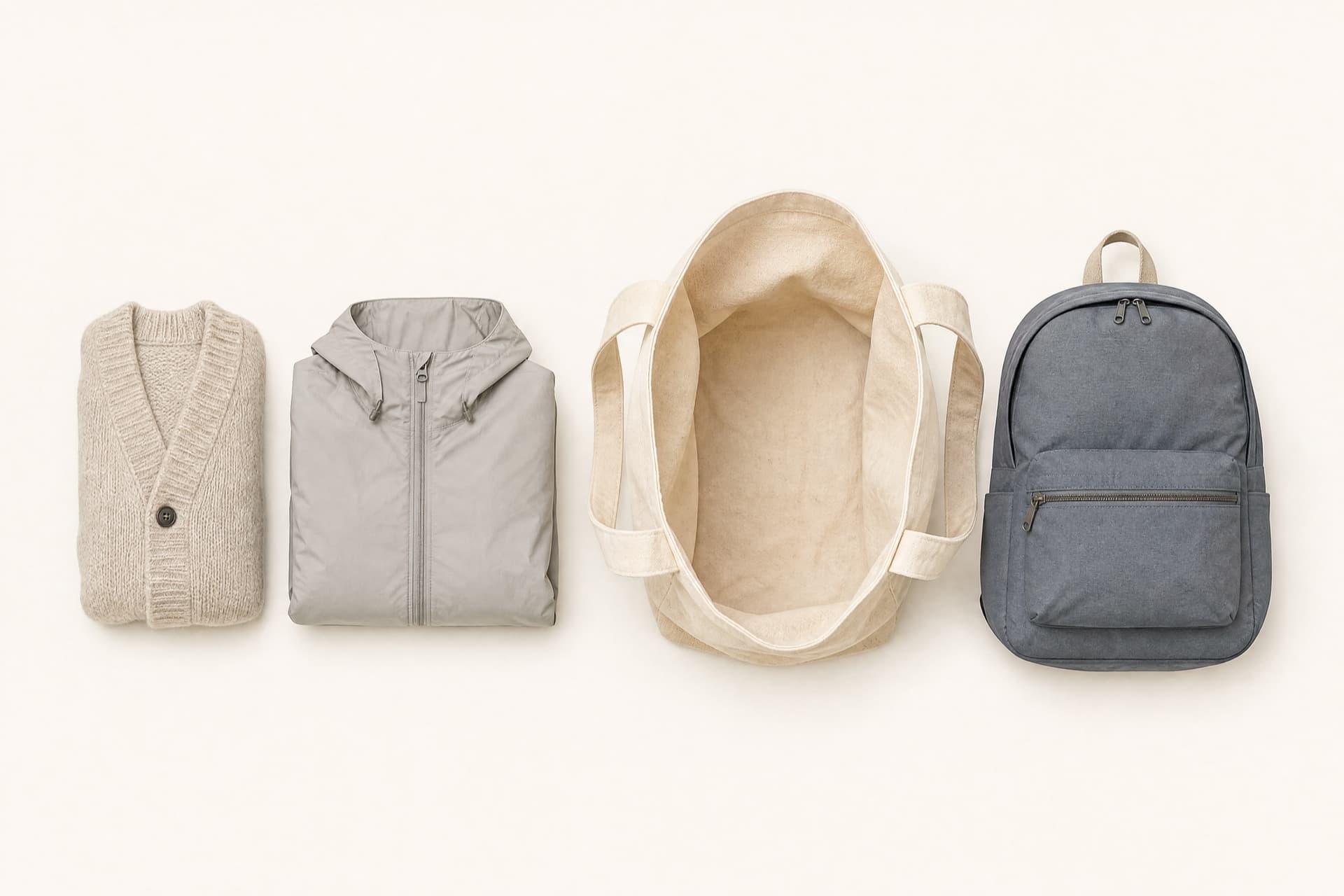
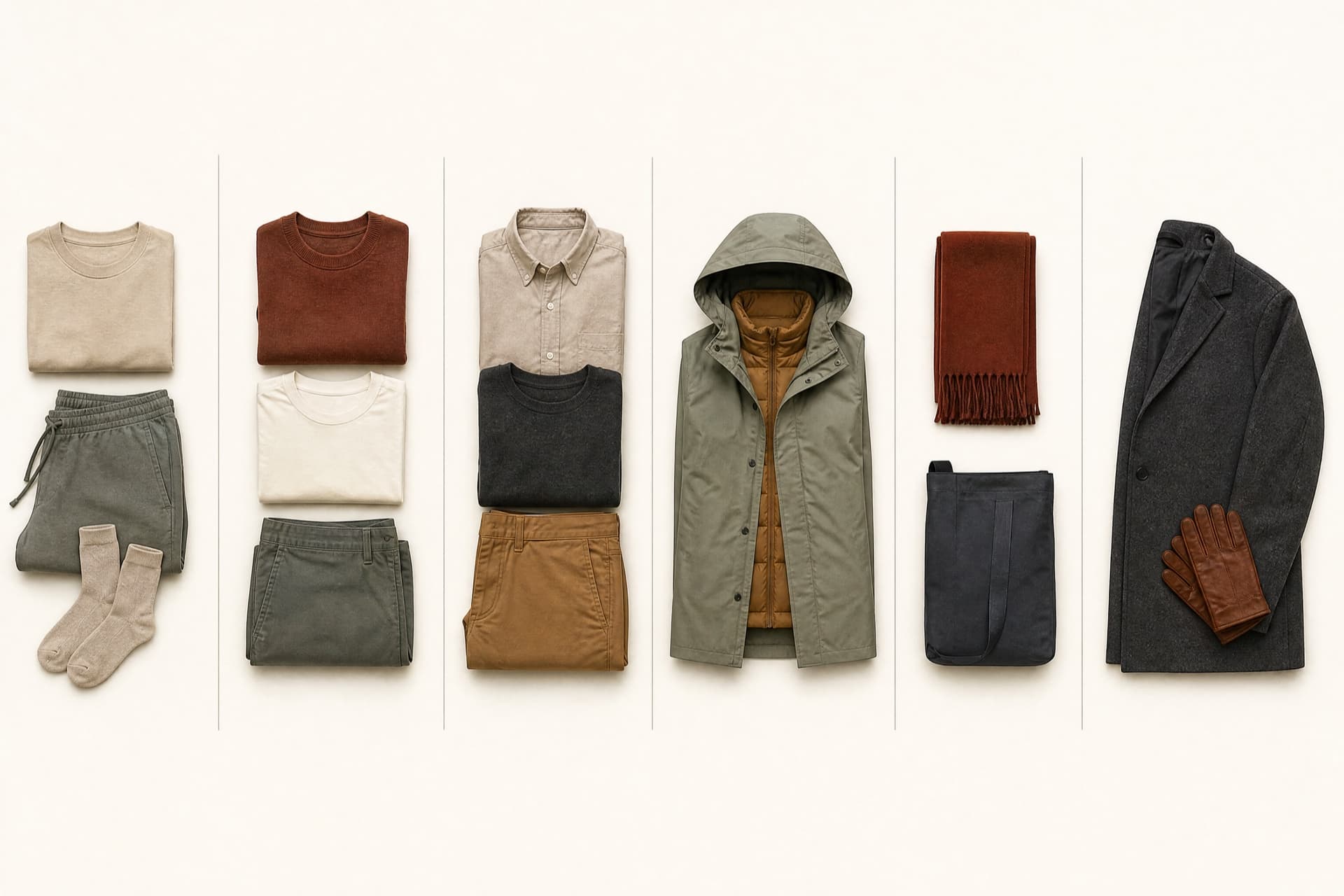
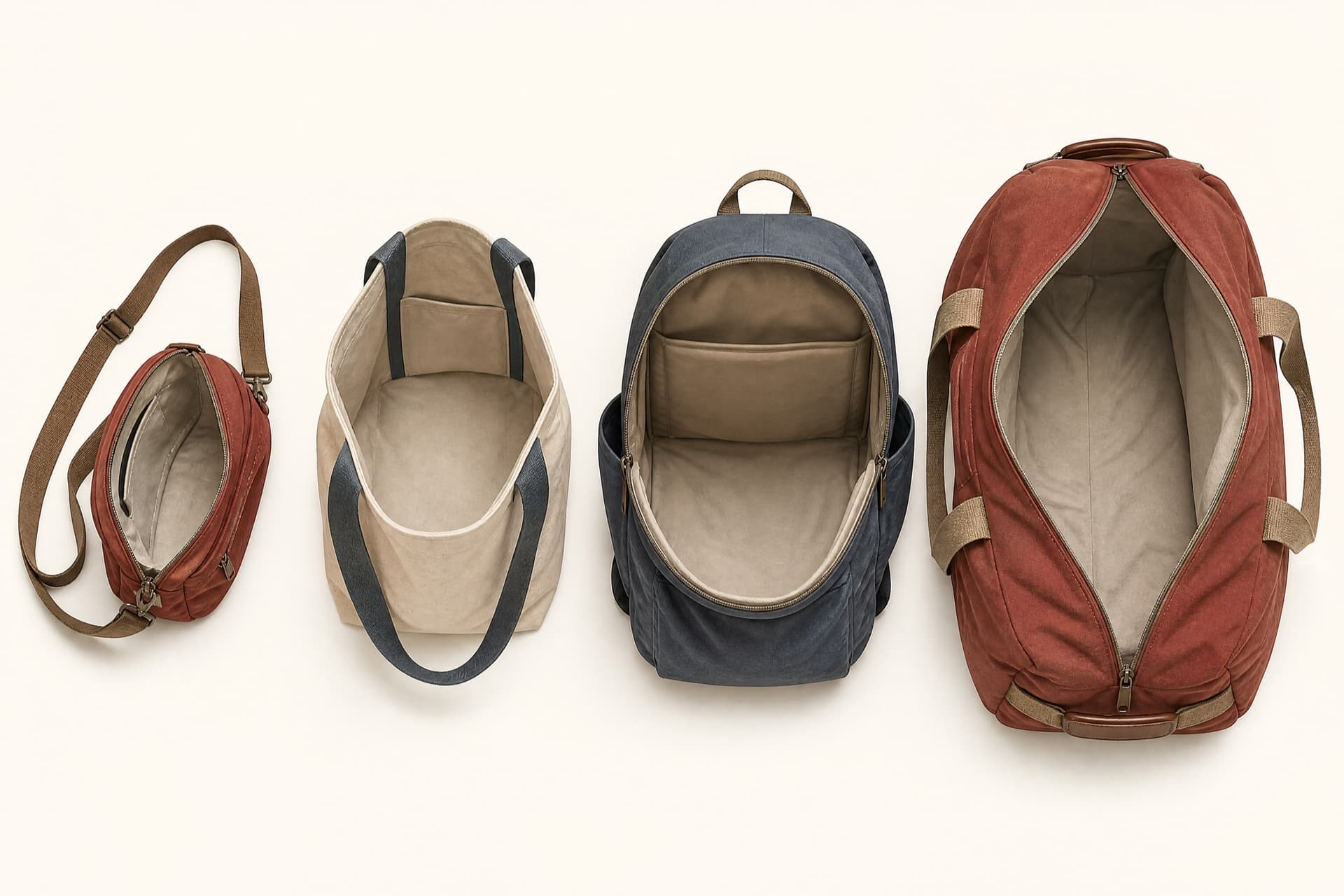
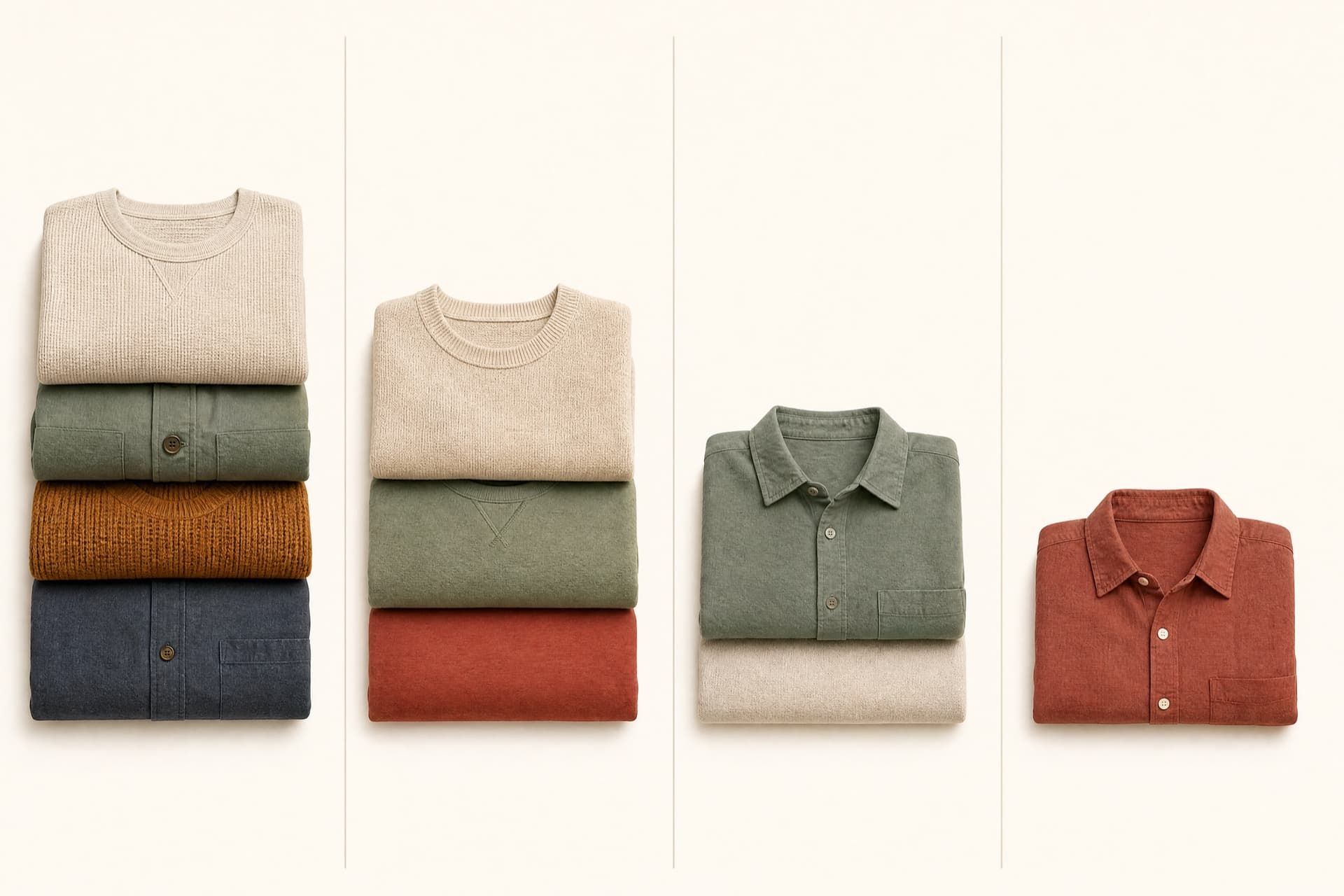
Flat, countable, and no one wearing anything
Every illustration is garments laid out, never a person. That is a rule, not a style choice — this product has nothing to say about how you look.
Three things we will not do
The limits are the product
We do not read the weather
No weather service is connected to this product and no temperature is predicted. You describe the environments you already know; we plan around those. Every result says so, in those words.
Volume is an estimate, not a measurement
Carry volume is always a range, never a single figure, and it is compared against nominal bag capacities. The strongest thing we will say is that something is likely to fit.
We do not do taste
No styling advice, no comments on your proportions. Illustrations show garments flat, never on a body, and uploads containing identifiable people are refused.
We don't know the weather and we don't know how warm you run. This is a plan for the day you described, not a forecast.
Pricing
Six days a month is free. Then it gets useful.
Six days is enough to find out whether you use this. But a commute is not six days a month — it is the same route, re-decided every morning. That is the point where paying starts to make sense: unlimited days, the volume estimate, and saved routes so you stop re-typing the same day.
Prices in US Dollars (USD), inkl. MwSt. Yearly is billed once for twelve months.
Free
Enough to find out whether a layer plan is a thing you actually use.
inkl. MwSt. · 50 credits per month
- Plan up to 6 days each month
- Layer count and shed points for every segment
- On-screen day strip with a watermark
- What we cannot know, stated on every result
- No carry-volume estimate
- No saved routes
- Watermarked strip
Layer
For the day that keeps changing temperature and you keep carrying things.
inkl. MwSt. · 400 credits per month
Renews automatically every month until you cancel. Cancel any time in your account; access runs to the end of the paid period.
- Unlimited days
- Carry-volume estimate, always as a range
- No watermark on the day strip
- Photograph your own outer pieces to estimate folded bulk
- Wardrobe linking so the plan names pieces you own
- One profile
Commute
Same route every day. Stop re-answering the same question every morning.
inkl. MwSt. · 1500 credits per month
Renews automatically every month until you cancel. Cancel any time in your account; access runs to the end of the paid period.
- Everything in Layer
- Saved route templates you can re-run in one tap
- Multiple profiles, for the people you get out of the door
- Priority queue
- Export the strip at print resolution
What a credit buys
Credits are a usage allowance inside the service. They are not money, they cannot be topped up or transferred, and they do not carry over to the next month.
Questions
Including the two you were going to ask anyway
Still stuck? Write to support@viaappiamode.com or call +49 9131 9994-0.
Do you look at the weather?01
No. We do not connect to any weather service and we do not forecast temperature. There are professional services for that; building a worse one inside a layer planner would add no value and would let us mislead you about something we cannot know.
What we work from is the environments you described — the train that runs hot, the office that is freezing, the walk home that is windy. You know those better than any forecast does. Every result carries a fixed line saying exactly this.
If you say it fits in my bag, will it fit?02
Not necessarily. Carry volume is always given as a range, never a single figure, and it is compared against nominal bag capacities. A 20-litre daypack and a 20-litre tote hold very different shapes.
You will only ever see three verdicts from us: likely fits, tight, or unlikely. We will never tell you something is guaranteed to go in. The bulk of a folded garment depends on the fabric, how tightly you roll it, and what is already in the bag.
Do you use what I write to train models?03
No. A description of your day is a description of your routine: when you leave, where you go, who you take with you, when you get home. We treat that as sensitive, and it is never used to train or fine-tune any model, ours or anyone else’s.
It is stored so you can re-open your own plans, and you can delete any of it at any time from your account. The full retention periods and deletion paths are in the Datenschutzerklärung.
How accurate is this?04
It is an estimate, produced by software, and you should treat it as one. The layer count follows from the environments you described and a fixed garment ladder; the volume range follows from typical folded bulk for each kind of piece.
Every result also lists what we could not know — at minimum the real temperature and how warm you personally run. Two people in the same room genuinely need a different number of layers, and nothing in this product can tell which one you are. See the KI-Hinweis for the limits in full.
Can I get a refund, and what happens to my right of withdrawal?05
As a consumer in the EU you have 14 days to withdraw from a contract for digital services. That right only lapses early if, at checkout, you expressly ask us to start the service within the 14 days and separately confirm that you know you lose the right by doing so — two separate boxes, neither pre-ticked.
If you do not tick both, the 14 days run as normal and we simply start your subscription when they end or when you ask us to. The full text and the model withdrawal form are on Widerrufsrecht.
How do I cancel?06
In your account, under Subscription. Cancelling takes effect at the end of the period you have already paid for; you keep access until then. There is no cancellation fee, no phone call, and no retention flow to click through.
What happens to unused credits?07
They expire at the end of the month. Allowances do not roll over, and there are no credit packs, no top-ups and no stored value of any kind — a credit is a usage allowance inside the service, not money, and it cannot be transferred, resold or cashed out.
If you run out before the month ends, the only option is to move up a plan.
Will you tell me whether an outfit looks good?08
No, and this is deliberate. We do not give aesthetic advice and we do not comment on body shape or proportions. The illustrations we generate show garments laid flat, never on a person, and the upload feature rejects photographs containing identifiable people.
This product counts layers and estimates bulk. That is the whole of it.
Is there an age limit?09
Yes. The service is for people aged 18 or over, and accounts may only be opened by someone with full legal capacity to enter a contract. See the AGB for the details.